


Oceanside is a vibrant coastal city in North San Diego County known for its beach culture, outdoor lifestyle, and growing focus on health and wellness. As conversations around mental health and scientific research continue to expand across California, psilocybin mushrooms have become a topic of increasing public interest.
Psilocybin is a naturally occurring compound found in certain species of mushrooms. When consumed, it interacts with serotonin receptors in the brain and can influence perception, mood, and cognitive processes. Researchers around the world are studying psilocybin for its potential role in addressing conditions such as depression, anxiety, PTSD, and addiction.
Although psilocybin remains illegal under California law, awareness of psychedelic research and mental health innovation continues to grow. This Oceanside guide explores what psilocybin mushrooms are, the current legal landscape in California, and important information about their effects, risks, and the evolving scientific conversation surrounding psychedelic compounds.
What Are Psilocybin Mushrooms Oceanside?
Psilocybin mushrooms are naturally occurring fungi that contain the psychedelic compound psilocybin. When consumed, psilocybin converts into psilocin, which interacts with serotonin receptors in the brain and can alter perception, mood, and cognition. Interest in psilocybin research has grown in Oceanside and across San Diego County as scientists study potential mental health applications.
Are Psilocybin Mushrooms Legal in Oceanside?
Psilocybin mushrooms are currently illegal under both federal law and California state law. Although research into psilocybin therapy continues to expand, the possession, sale, and cultivation of psilocybin mushrooms remain prohibited in Oceanside and throughout California
Understanding Psilocybin Mushrooms
Psilocybin mushrooms are naturally occurring fungi that contain the psychedelic compound psilocybin. After consumption, psilocybin is converted by the body into psilocin, a substance that interacts with serotonin receptors in the brain. This interaction can influence perception, mood, and cognitive processing, sometimes leading to noticeable changes in how individuals experience thoughts, emotions, and sensory input.
These mushrooms have a long history of use in traditional and ceremonial practices, particularly among Indigenous cultures in parts of Central and South America. In modern times, scientific interest in psilocybin has expanded as researchers explore how psychedelic compounds may affect brain function and mental health.
Clinical studies conducted by universities and medical research institutions have examined psilocybin’s potential therapeutic applications. Researchers have investigated its effects on conditions such as depression, anxiety, post-traumatic stress disorder (PTSD), and addiction. While early findings have shown promise, psilocybin remains a controlled substance in many places, including California.
There are many different species and strains of psilocybin-containing mushrooms. Some commonly discussed varieties include strains such as Golden Teacher, B+, and Blue Meanie. These strains may differ in characteristics, potency, and cultivation history, which contributes to the wide range of discussions surrounding psilocybin mushrooms.
Understanding the biological properties, historical use, and ongoing scientific research surrounding psilocybin mushrooms can provide valuable insight into why these fungi continue to be studied and discussed in both scientific and cultural contexts.
Psilocybin Laws in California
Psilocybin mushrooms are currently illegal under both federal law and California state law. Psilocybin is classified as a Schedule I controlled substance under the U.S. Controlled Substances Act, meaning it is considered to have a high potential for misuse and no currently accepted medical use at the federal level.
In California, the possession, sale, and cultivation of psilocybin mushrooms are generally prohibited. While there have been increasing discussions around psychedelic policy reform and legislative proposals aimed at decriminalizing certain substances, statewide legalization has not yet been enacted.
Despite these legal restrictions, scientific interest in psilocybin has grown significantly in recent years. Universities and medical research institutions have conducted clinical trials exploring psilocybin-assisted therapy as a potential treatment for conditions such as depression, anxiety, post-traumatic stress disorder (PTSD), and substance use disorders. These studies are typically conducted in carefully controlled clinical environments under professional supervision.
In Oceanside and throughout San Diego County, individuals researching psilocybin mushrooms should understand the current legal framework before considering any psychedelic substances. As research into psychedelic-assisted therapies continues and public discussions evolve, laws and policies surrounding psilocybin may continue to develop in the future.

Psilocybin Culture and Wellness Interest in Oceanside
Oceanside is a coastal city in North San Diego County known for its beach lifestyle, surf culture, and growing focus on health and wellness. With access to the Pacific Ocean, outdoor recreation, and a thriving local community, many residents prioritize physical activity, mindfulness, and overall well-being.
Across Southern California, interest in psychedelic research has expanded as scientific studies and media coverage continue to highlight ongoing clinical trials involving psilocybin. As awareness of these studies grows, conversations about psychedelic compounds have become more common in discussions surrounding mental health innovation and emerging therapeutic approaches.
In Oceanside and nearby communities such as Carlsbad, Vista, and San Marcos, wellness-focused activities such as yoga, meditation, fitness training, and outdoor recreation are widely embraced. Within these communities, psilocybin is sometimes discussed as part of a broader conversation about neuroscience, mental health research, and evolving approaches to psychological well-being.
The coastal environment in Oceanside also contributes to a lifestyle centered around balance, relaxation, and personal development. Wellness events, mindfulness workshops, and community gatherings in the region often focus on mental health awareness and self-improvement, further supporting discussions around new approaches to mental health care.
While public interest in psychedelic science continues to grow in Oceanside and throughout California, psilocybin mushrooms remain illegal under both federal and California state law. Much of the conversation surrounding psilocybin in the region focuses on education, research developments, and the expanding scientific understanding of psychedelic compounds.
Evaluating Psilocybin Mushroom Information and Safety
For individuals researching psilocybin mushrooms, understanding the potential effects and risks is an important part of responsible awareness. Psilocybin can produce noticeable changes in perception, mood, and cognitive processing, which is why educational resources and scientific studies often emphasize preparation, environment, and mental state when discussing psychedelic experiences.
Research suggests that the effects of psilocybin can vary depending on several factors, including dosage, individual sensitivity, and the surrounding environment. Some individuals report experiences involving enhanced emotional awareness, altered sensory perception, and deep introspective thinking. However, psychedelic experiences can also be unpredictable, particularly for those who are unfamiliar with their effects.
Clinical studies examining psilocybin-assisted therapy are typically conducted in carefully controlled environments designed to support psychological safety and well-being. Participants in these studies are often guided by trained professionals as part of structured research programs that monitor both short-term experiences and long-term outcomes.
Another important factor when learning about psilocybin mushrooms is the wide variety of species and strains that contain the compound. Different types of psilocybin mushrooms may vary in potency and characteristics, which contributes to the wide range of information and discussions surrounding these fungi.
For individuals exploring the topic of psilocybin mushrooms in Oceanside and throughout San Diego County, relying on reputable educational resources and scientific research can help provide a clearer understanding of how psilocybin works and how it is currently being studied in the fields of neuroscience and mental health.
Why Mindwell Mushrooms
Mindwell Mushrooms provides educational resources designed to help readers better understand psilocybin mushrooms and the expanding body of scientific research surrounding psychedelic compounds. As interest in psychedelic science continues to grow, many people are searching for reliable information about psilocybin mushrooms, their history, and the evolving research exploring their potential applications.
Through detailed guides and educational articles, Mindwell Mushrooms covers topics such as different types of psilocybin mushrooms, preparation methods, emerging research, and the cultural history of psychedelic compounds. These resources are designed to make complex topics easier to understand for readers who want to learn more about psilocybin and the scientific discussions surrounding it.
Visitors can explore a variety of content explaining how psilocybin interacts with the brain, why researchers are studying psychedelic compounds, and how different mushroom varieties are discussed within both historical traditions and modern scientific research.
Mindwell Mushrooms also provides curated information about commonly discussed mushroom varieties such as Golden Teacher, B+, and Blue Meanie. By combining educational content with detailed strain information, the platform helps readers navigate a topic that continues to evolve as new research findings and studies emerge.
For readers in Oceanside and across San Diego County who are researching psilocybin mushrooms, Mindwell Mushrooms offers accessible information designed to support informed learning and responsible awareness.
Frequently Asked Questions About Psilocybin Mushrooms in Oceanside
No. Psilocybin mushrooms are currently illegal under both federal law and California state law. Psilocybin is classified as a Schedule I controlled substance, meaning possession, sale, and cultivation are generally prohibited in Oceanside and throughout San Diego County.
Psilocybin mushrooms are naturally occurring fungi that contain the psychedelic compound psilocybin. When consumed, psilocybin converts into psilocin in the body, which interacts with serotonin receptors in the brain and can alter perception, mood, and cognitive processes.
Researchers around the world are studying psilocybin for its potential role in treating certain mental health conditions. Clinical trials have explored psilocybin-assisted therapy for depression, anxiety, PTSD, and addiction in controlled research environments.
Yes. There are many species of mushrooms that contain psilocybin. Within those species, different strains may vary in potency and characteristics. Commonly discussed varieties include Golden Teacher, B+, and Blue Meanie.
Interest in psilocybin has increased as scientific research continues to explore psychedelic-assisted therapy and its potential role in mental health treatment. Expanding clinical studies and media coverage have contributed to greater public awareness of psychedelic research.
Shop online today and discover the power of nature’s magic with Mindwell Mushrooms!

B+ Mushrooms
Price range: $40.00 through $45.00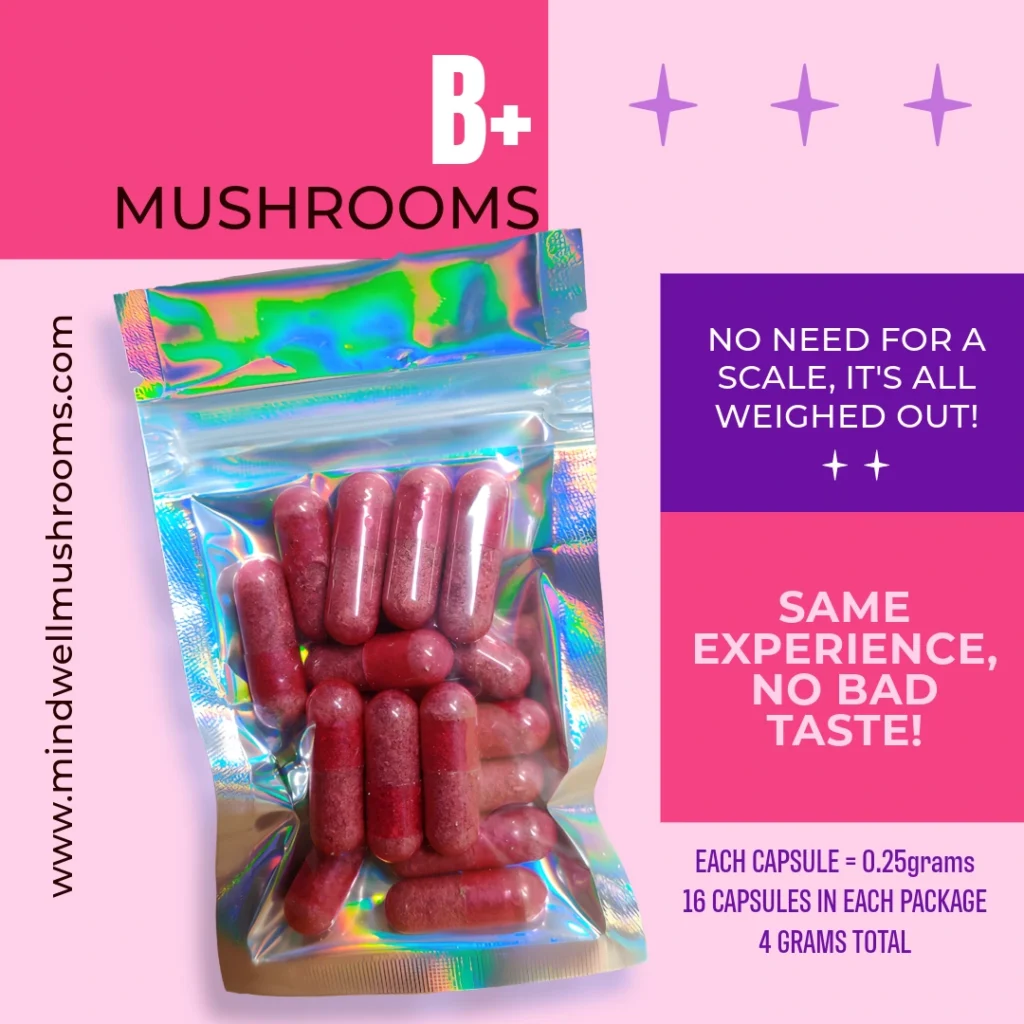
B+ Psilocybin Mushroom Capsules
$45.00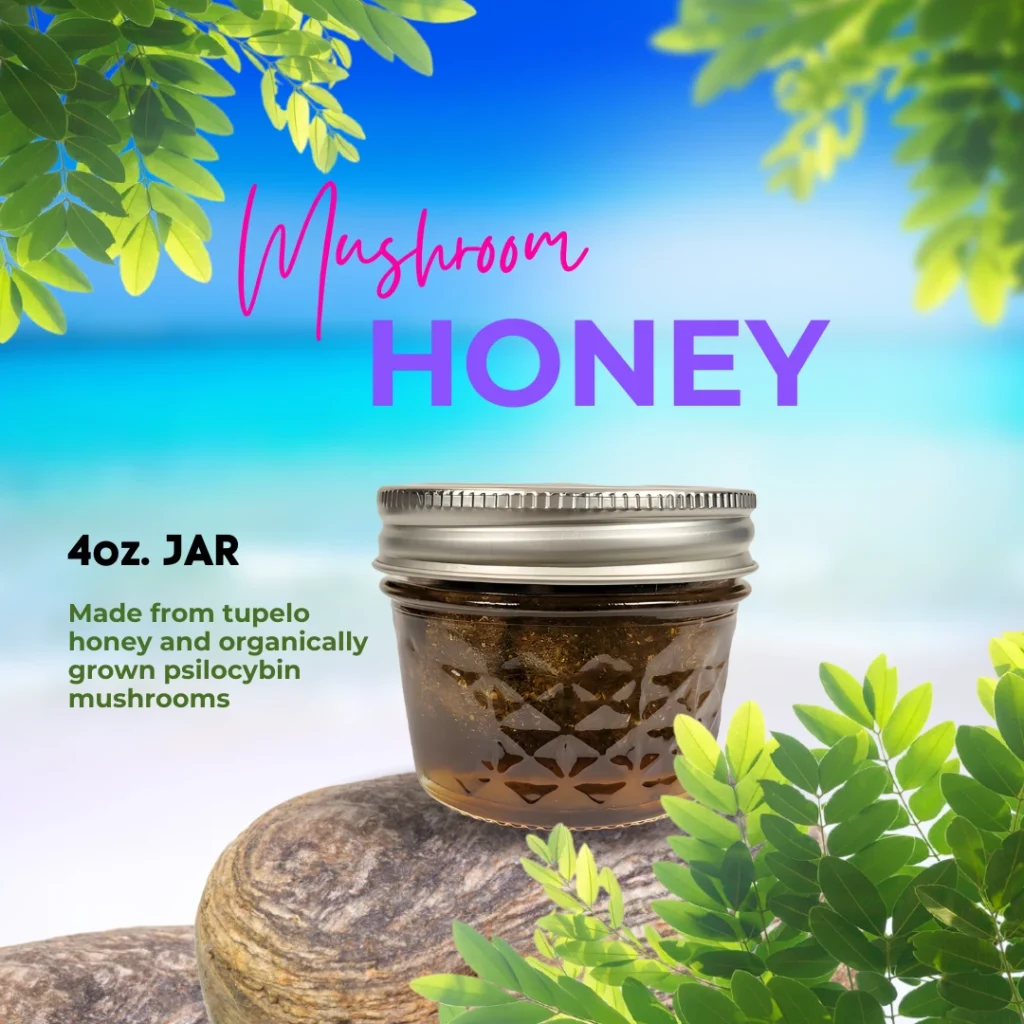
Blue Honey – 4 oz (Tidal Wave Psilocybin)
$75.00
Blue Meanie Mushrooms
Price range: $40.00 through $45.00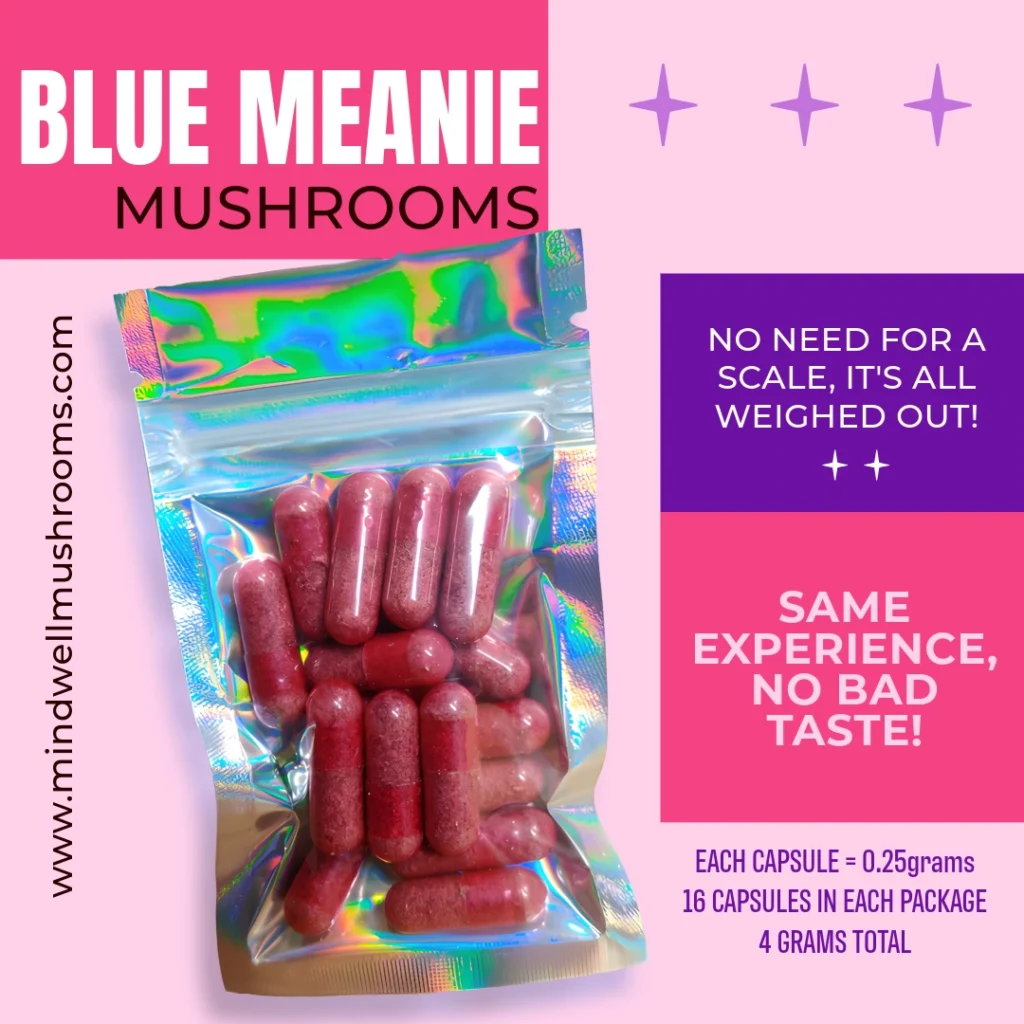
Blue Meanie Psilocybin Capsules
$45.00
Golden Teacher Mushrooms
$40.00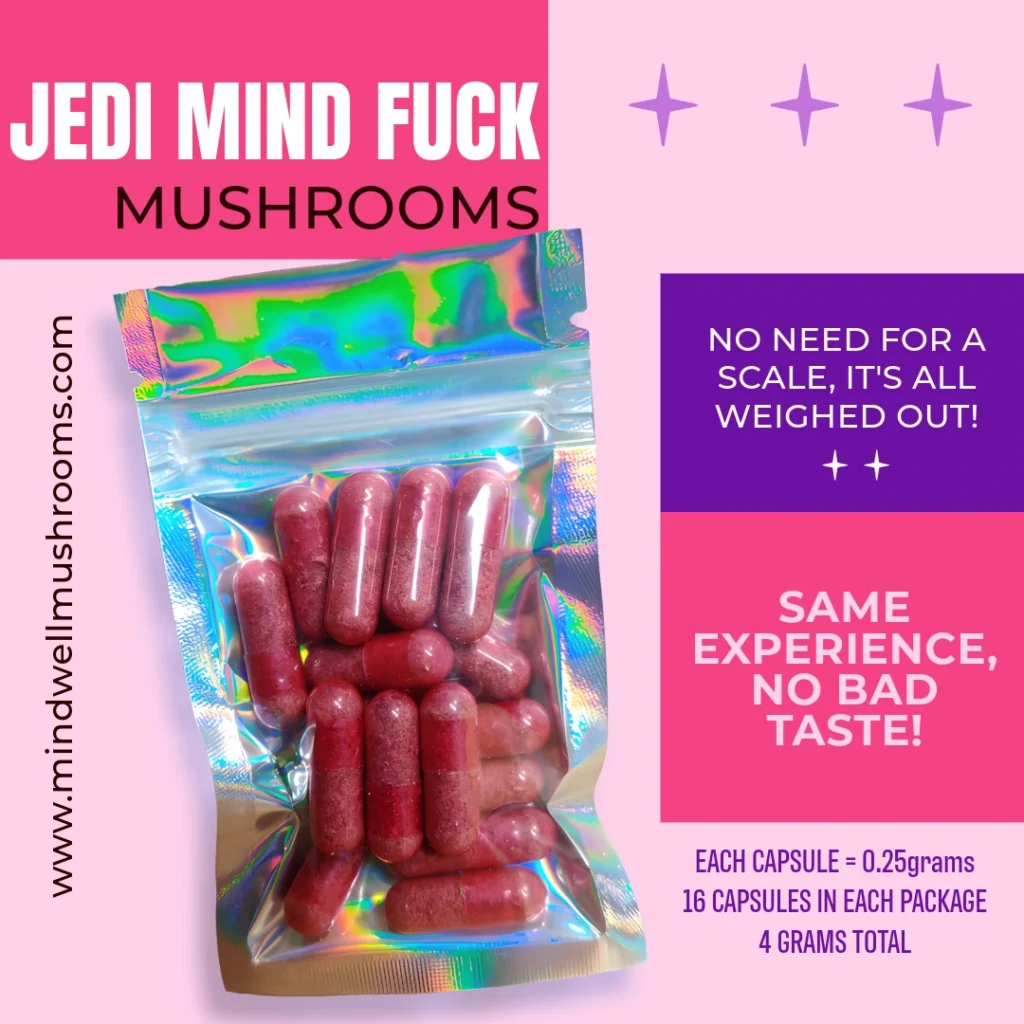
Jedi Mind Fuck Capsules
$45.00
Jedi Mind Fuck Mushrooms
$40.00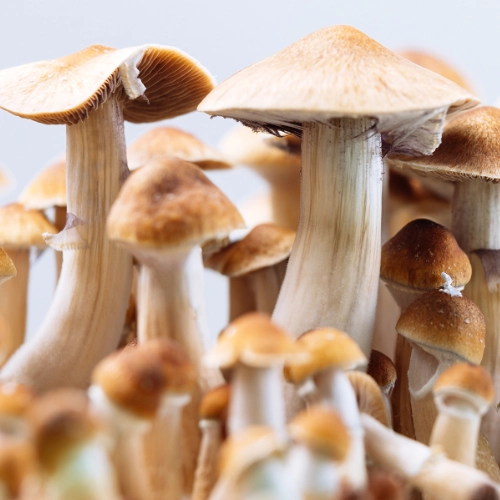
Thai Tanic Mushrooms
$40.00


