


Psilocybin and PTSD have become an important area of psychedelic research as scientists investigate whether psilocybin-assisted therapy could help people whose post-traumatic stress symptoms remain severe despite established treatments. In 2026, several studies added meaningful new evidence, including an open-label pilot trial in veterans with treatment-resistant PTSD and a separate clinical study focused on the safety and tolerability of single-dose psilocybin.
The findings are encouraging, but they are not yet definitive. PTSD is a complex psychiatric condition, and psilocybin is not an approved treatment for it. The strongest studies so far involve carefully screened participants, structured psychological support, supervised dosing, and follow-up rather than unsupervised use.
Direct answer: Current research suggests that psilocybin-assisted therapy may reduce PTSD symptoms in some carefully selected adults, including veterans with severe treatment-resistant PTSD. However, the available trials remain small, many are open-label, and larger randomized controlled studies are needed before psilocybin can be considered an established PTSD treatment.
Psilocybin and PTSD: What Does Current Research Show?
Research on psilocybin and PTSD is developing quickly but remains much smaller than the evidence base for depression. Early work focused on safety, feasibility, and whether the treatment model could be delivered to people with significant trauma symptoms. More recent studies have started to examine symptom change more directly.
A 2026 open-label pilot trial involving U.S. military veterans with severe, treatment-resistant PTSD reported substantial reductions in PTSD symptoms after psilocybin-assisted therapy. Many participants no longer met diagnostic criteria for PTSD one month after treatment. The study also reported no serious safety problems, with most adverse effects described as mild and temporary.
Because the pilot study was small and did not include a placebo group, it cannot establish how much improvement was caused specifically by psilocybin versus psychotherapy, expectation, clinical support, or other factors. Still, the findings provide an important signal for larger controlled trials.
What Is Post-Traumatic Stress Disorder?
Post-traumatic stress disorder can develop after exposure to traumatic events such as combat, assault, serious accidents, disasters, abuse, or other experiences involving actual or threatened death, injury, or violence.
PTSD symptoms are commonly grouped into several areas:
- Intrusive memories, flashbacks, or nightmares
- Avoidance of trauma reminders
- Negative changes in mood, beliefs, or emotional experience
- Hyperarousal, irritability, or exaggerated startle
- Sleep disturbance and concentration problems
- Persistent feelings of threat or danger
PTSD is not simply remembering a difficult event. It involves persistent changes in emotional processing, threat perception, avoidance, memory, and nervous-system regulation that can significantly interfere with daily life.
How Is PTSD Usually Treated?
Evidence-based PTSD treatment generally includes trauma-focused psychotherapy, medication, or a combination of both.
Trauma-Focused Psychotherapy
Well-established treatments include prolonged exposure therapy, cognitive processing therapy, and eye movement desensitization and reprocessing, or EMDR. These approaches differ in technique but generally help people process traumatic memories, reduce avoidance, and change unhelpful beliefs or fear responses.
Medication
In the United States, sertraline and paroxetine are FDA-approved medications for PTSD. Other medications may also be used depending on symptoms and individual circumstances.
Many people improve with established treatment, but some continue to experience severe symptoms. This treatment gap is one reason researchers are investigating psilocybin-assisted therapy.
What Is Treatment-Resistant PTSD?
Treatment-resistant PTSD generally refers to persistent, clinically significant symptoms despite adequate trials of established treatment. Definitions vary among studies, but they often include prior trauma-focused therapy and medication attempts.
The 2026 veteran pilot specifically focused on people with severe treatment-resistant PTSD, making the results especially relevant to patients who had not achieved sufficient relief from standard approaches.
Treatment resistance does not mean that evidence-based therapies do not work. It means that individual response varies and some people continue to need additional options.
How Might Psilocybin Affect PTSD?
Researchers do not yet know exactly why psilocybin and PTSD symptoms may interact. Several mechanisms are being studied.
Serotonin 5-HT2A Receptor Signaling
Psilocybin is converted into psilocin, which interacts strongly with serotonin receptors, especially the 5-HT2A receptor. This receptor activity can alter perception, emotion, cognition, and communication among cortical brain regions.
Our article on psilocybin vs. psilocin explains this pharmacology in more detail.
Fear Processing and Emotional Learning
PTSD involves persistent fear responses, avoidance, and trauma-related learning. Researchers are studying whether psilocybin’s temporary effects on emotional processing might make it easier to revisit difficult memories without becoming locked into the same patterns of avoidance or threat response.
This remains a research hypothesis rather than an established mechanism.
Cognitive Flexibility
Trauma can produce rigid beliefs about safety, trust, guilt, control, or identity. Psilocybin may temporarily increase cognitive flexibility, potentially allowing new interpretations or emotional perspectives to emerge during supported therapy.
Brain Networks and Self-Processing
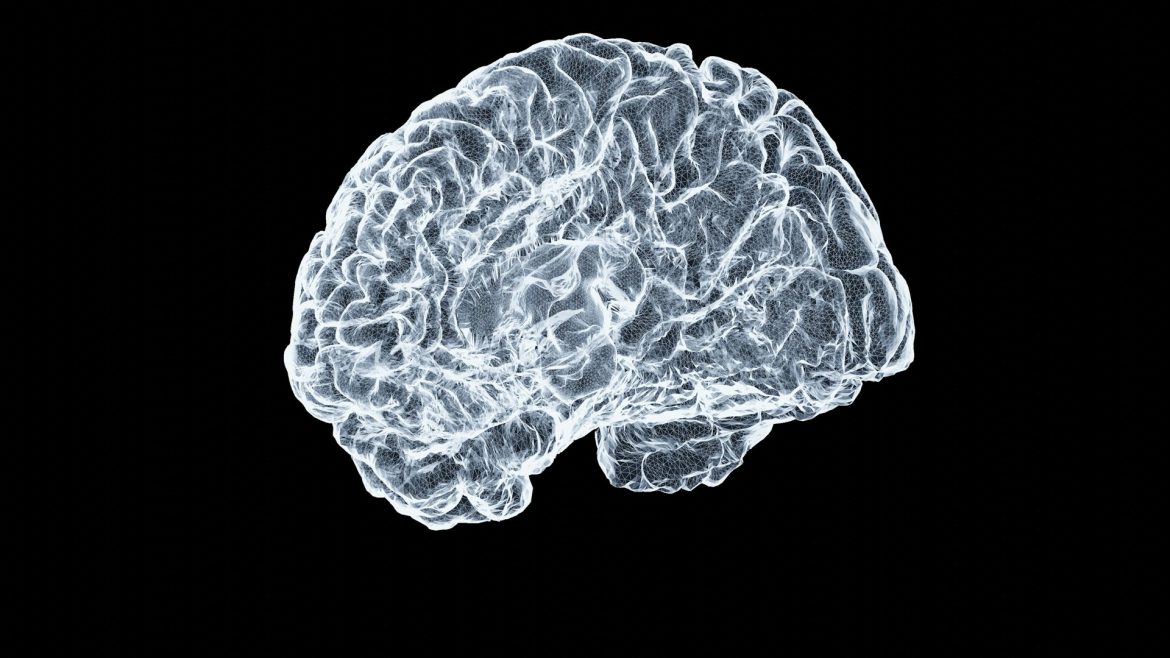
Psilocybin changes communication across large-scale brain networks, including systems involved in self-referential thought, memory, emotion, and threat processing. The Default Mode Network is one of the networks frequently studied in psychedelic neuroscience.
Neuroplasticity
Preclinical and human research suggests that serotonergic psychedelics may influence neuroplasticity—the brain’s ability to modify connections and patterns of signaling. Researchers are investigating whether this temporary flexibility could support trauma processing and new learning when paired with psychotherapy.
See our guide to psilocybin and neuroplasticity for a deeper explanation.
What Did the 2026 Veteran PTSD Pilot Study Find?
A 2026 open-label pilot trial evaluated psilocybin-assisted therapy in military veterans with severe, treatment-resistant PTSD. Participants completed preparation and therapy sessions surrounding two supervised psilocybin administrations.
Researchers reported large reductions in PTSD symptoms over the month following treatment. Many participants no longer met diagnostic criteria for PTSD at the one-month assessment, and no serious safety problems were reported.
These findings are clinically interesting, but the design matters. Because the study was open-label and small, participants and researchers knew the treatment being given, and there was no placebo comparison. That means expectancy, therapeutic support, and other non-drug factors could have contributed to the outcome.
What Did the Single-Dose PTSD Safety Study Find?
A separate clinical study published in 2026 evaluated the safety and tolerability of a single dose of psilocybin in people with PTSD. Its primary purpose was not to prove efficacy, but to determine whether the treatment could be administered safely under controlled conditions.
The study found that psilocybin could be administered without major unexpected safety problems in the small sample studied. This type of early-phase research is important because it establishes whether larger efficacy trials are justified.
Safety studies should not be interpreted as proof that a treatment works. They answer a different scientific question.
Can Psilocybin Make PTSD Symptoms Worse?
Yes. Psilocybin can produce acute fear, anxiety, confusion, panic, or intense emotional experiences. For people with PTSD, traumatic memories or feelings may become unusually vivid during a psychedelic session.
This is one reason clinical protocols emphasize preparation, trained support, and careful screening. A person who feels overwhelmed or unsafe may have a very different experience from someone who feels supported and prepared.
The possibility of acute distress also means that psilocybin should not be described as inherently calming simply because it is being researched as a PTSD treatment.
Psilocybin, PTSD, and Anxiety
PTSD frequently includes substantial anxiety, hypervigilance, and fear responses, but PTSD is not simply an anxiety disorder. Trauma-related avoidance, intrusive memories, changes in mood and beliefs, and hyperarousal all contribute to the condition.
Psilocybin may affect both anxiety and broader trauma-processing mechanisms. Our article on psilocybin and anxiety explores the anxiety literature separately.
How Is Psilocybin-Assisted Therapy Different From Taking Psilocybin Alone?
This distinction is essential when interpreting psilocybin and PTSD research.
Clinical protocols may include:
- Medical and psychiatric screening
- Trauma and treatment-history assessment
- Preparation sessions before dosing
- A controlled physical environment
- Trained psychological or clinical support
- Monitoring throughout the psychedelic session
- Follow-up therapy or integration
- Formal symptom measurement
- Adverse-event monitoring
Those elements are part of the intervention being studied. The results of supervised clinical research cannot be assumed to apply to unsupervised use.
Could Psilocybin Complement Trauma-Focused Therapy?
One major research question is whether psilocybin could eventually complement established trauma-focused therapies rather than replace them.
The temporary increase in emotional openness or cognitive flexibility reported in psychedelic studies might theoretically create an opportunity for deeper trauma processing. However, this idea still needs direct testing in randomized trials comparing different therapeutic approaches.
At present, prolonged exposure, cognitive processing therapy, and EMDR remain established evidence-based treatments for PTSD.
What Does Naturalistic Research Show?
A 2026 naturalistic survey study examined PTSD symptoms after psychedelic use outside traditional clinical trials. The findings suggested that some people reported symptom improvement, while others experienced less favorable outcomes.
Naturalistic studies can reveal how psychedelics are used in real-world settings, but they cannot control variables such as dose, substance identity, setting, expectation, prior mental health, or concurrent treatment. They therefore provide complementary information rather than the same level of evidence as randomized clinical trials.
Are Larger Psilocybin PTSD Trials Underway?
Yes. ClinicalTrials.gov lists ongoing and recruiting studies investigating psilocybin for PTSD, including veteran-focused research.
One current study sponsored by Johns Hopkins University is examining psilocybin and MDMA in veterans with PTSD. The existence of larger trials reflects growing scientific interest, but recruitment status and study designs can change over time.
What Are the Main Limitations of Psilocybin PTSD Research?
The evidence remains preliminary. Important limitations include:
- Small sample sizes
- Few completed randomized controlled trials
- Open-label study designs
- Strong expectancy effects
- Highly selected participants
- Variation in psychotherapy and support models
- Limited long-term follow-up
- Uncertainty about medication interactions
- Uncertainty about which PTSD subtypes may respond differently
These limitations do not erase the encouraging results, but they do limit how confidently findings can be generalized.
Is Psilocybin Approved for PTSD?
No. Psilocybin is not an FDA-approved treatment for post-traumatic stress disorder.
Psilocybin-assisted therapy remains experimental. People with PTSD should not stop prescribed medication or discontinue trauma-focused treatment based on early psychedelic research without discussing those decisions with a qualified healthcare professional.
How Does Psilocybin PTSD Research Connect With Brain Science?
PTSD research provides a useful way to examine how psychedelic effects at serotonin receptors might translate into changes in memory, emotion, fear processing, and self-perception.
Mindwell’s broader article on what psilocybin does to the brain explains how receptor activity can influence brain networks, perception, cognition, and emotional processing.
Common Misconceptions About Psilocybin and PTSD
Myth: Psilocybin has been proven to cure PTSD.
Reality: Early studies are promising, but psilocybin is not an established cure or approved PTSD treatment.
Myth: Psilocybin erases traumatic memories.
Reality: The treatment does not erase memories. Researchers are studying whether it changes how trauma-related memories and emotions are processed.
Myth: A difficult psychedelic experience means the treatment is working.
Reality: Acute distress can occur and is not automatically therapeutic.
Myth: Psilocybin should replace trauma-focused therapy.
Reality: Established trauma-focused therapies remain first-line evidence-based treatments. Psilocybin-assisted approaches are still experimental.
Myth: Veteran study results apply to everyone with PTSD.
Reality: Small veteran studies provide important evidence, but results must be replicated in larger and more diverse populations.
Frequently Asked Questions
Early clinical research suggests that psilocybin-assisted therapy may reduce PTSD symptoms in some carefully screened adults, including veterans with severe treatment-resistant PTSD. However, the evidence base remains small and larger randomized trials are needed.
No. Psilocybin is not an FDA-approved treatment for post-traumatic stress disorder. Its use for PTSD remains experimental and is being studied in controlled clinical trials.
Researchers are investigating possible effects on serotonin 5-HT2A receptor signaling, emotional processing, fear learning, cognitive flexibility, brain-network organization, and neuroplasticity. No single mechanism fully explains the observed outcomes.
Yes. Psilocybin can acutely increase fear, anxiety, confusion, distress, or traumatic memories. People with PTSD may be especially sensitive to loss of control or intense emotional material, which is why clinical research uses careful screening and supervision.
A small open-label pilot study in U.S. military veterans with severe treatment-resistant PTSD reported large symptom improvements after psilocybin-assisted therapy, with many participants no longer meeting PTSD criteria at one month. The study was small and had no placebo control, so the results are preliminary.
Treatment-resistant PTSD generally refers to significant symptoms that persist despite adequate trials of evidence-based treatments such as trauma-focused psychotherapy and appropriate medications. Definitions can vary among studies.
Current evidence does not show that psilocybin should replace established trauma-focused treatments such as prolonged exposure, cognitive processing therapy, or EMDR. Researchers are studying whether psilocybin-assisted approaches might complement structured psychotherapy.
Clinical studies generally use medical and psychiatric screening, preparation sessions, controlled administration, trained support during dosing, symptom monitoring, and follow-up. These safeguards are part of the treatment model being studied.
No. Psilocybin does not erase traumatic memories. Researchers are studying whether it may alter emotional processing, avoidance, fear responses, or the way memories are experienced and integrated.
Yes. ClinicalTrials.gov lists ongoing and recruiting studies examining psilocybin for PTSD, including veteran-focused trials. Trial status and eligibility can change over time.
What Current Research Tells Us About Psilocybin and PTSD
Research into psilocybin and PTSD has moved beyond theory into early clinical testing, and the results are encouraging enough to justify larger trials. The 2026 veteran pilot reported substantial symptom reductions, while separate safety research suggests that carefully supervised psilocybin can be administered to selected people with PTSD without major unexpected safety problems.
At the same time, the evidence remains preliminary. The studies are small, many are open-label, and researchers still need to determine who may benefit, which treatment model works best, how durable improvements are, and how psilocybin should relate to established trauma-focused therapies.
The most accurate conclusion is therefore cautious but hopeful: psilocybin-assisted therapy may become an important research avenue for PTSD, particularly treatment-resistant PTSD, but larger randomized controlled trials are needed before it can be considered an established clinical treatment.
Research References
Post-traumatic stress disorder symptoms following psychedelic use: a naturalistic survey study
ClinicalTrials.gov: Psilocybin and MDMA for Post-traumatic Stress Disorder (PAM-VET)


